
Signalis Review


Great holes secretly are digged where earth's pores ought to suffice, and things have learnt to walk that ought to crawl. - H.P. Lovecraft
Introduction
Signalis is an indie survival horror by rose-engine akin to some of the greats of the genre, such as the earlier entries in the Resident Evil franchise. You take on the role of Elster, a replika android spaceship technician, as she explores the depths of the abandoned world in a search for someone she lost. As you descend further into the mysterious structure, you'll have to fight off (or stealthily avoid) a variety of enemies that are not too keen on staying dead.
I'll attempt to break down the aspects of the game into individual categories and assign a score out of 100 based on certain entirely subjective criteria. The criteria I'll base my score on can be found here.
Spoiler warning
While I try my best not to spoil puzzle solutions or other major parts of the story/gameplay loop, it is hard to write an in-depth review without doing so to some extent. If you have not played the game and do not wish to have aspects of the game revealed to you ahead of time, do not read this review.
Gameplay
Signalis has a relatively simple gameplay loop as far as survival horror games go, progress on your current level in the facility and make your way down. As simple as this seems, the level of variation between sections makes exploration and progression very engaging for the player. Forward progression is primarily tied to solving various puzzles that often reward you with a tool to help you solve the next one, like finding the combination to a safe that contains a key to a previously locked room.
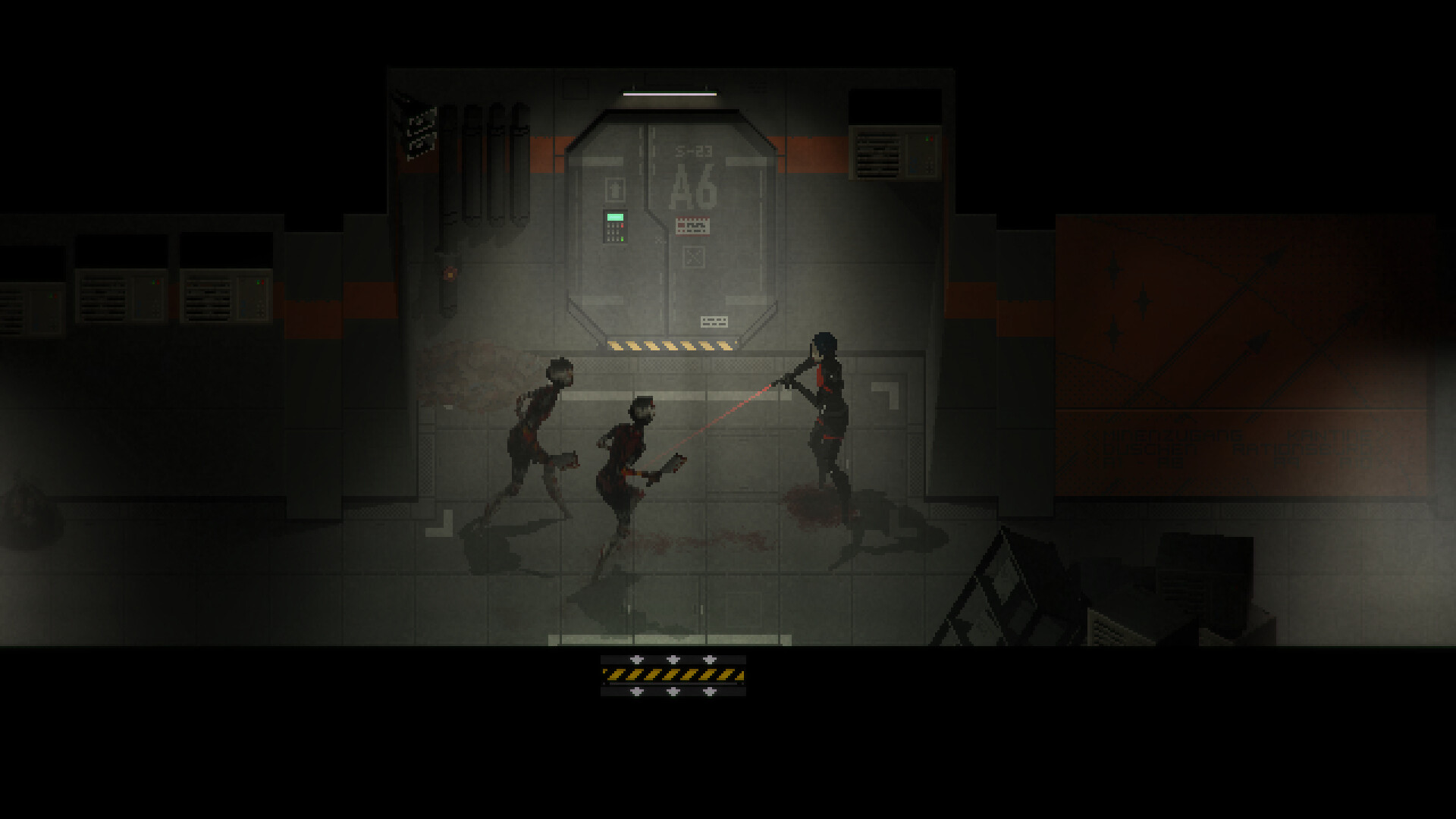
Another important factor in progression is the challenge of inventory management. As one of the discoverable texts in the game states "Property is a privilege: Keep your pockets empty and your bag light," and this is reflected in the fact that you can only have 6 items in your inventory at any given time (assuming you play on the default inventory settings). This makes the challenge of moving through the layers of the facility much more difficult as you have to make the difficult choices of whether to bring an extra weapon, extra healing items, or leave the spaces open in order to collect items needed to move deeper. Smart planning is important as if you stock up too much you might miss key items, but if you pack too lightly you might end up defenseless in a room full of enemies.
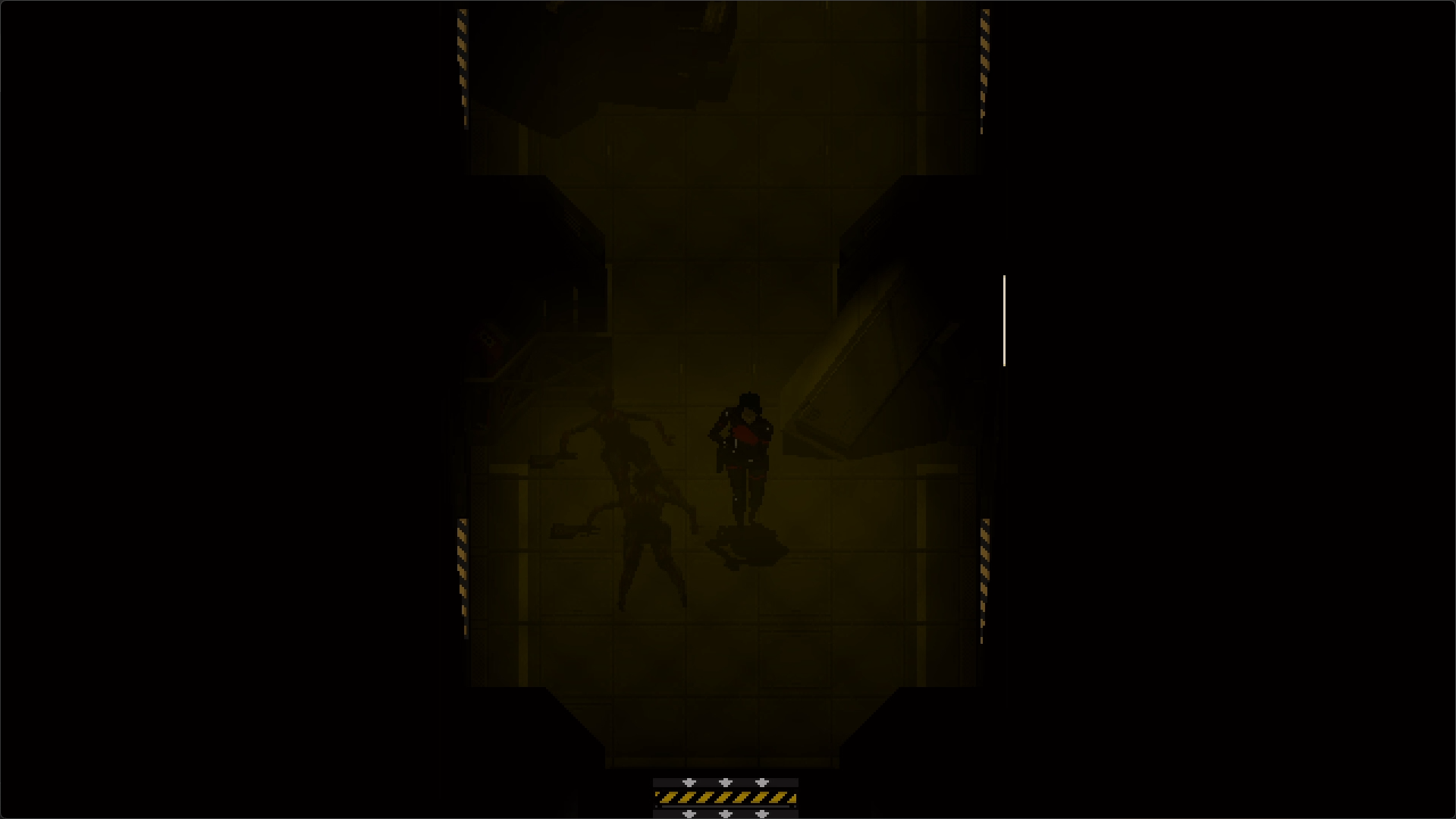
This decision-making is further complicated by the fact that even if you kill an enemy the first time you encounter them in a room, they might come back to life the next time you pass through, which you often will due to backtracking being outright required in most sections. You will often find yourself making the choice of killing an enemy to search a room without the fear of damage or sneaking around them to conserve your precious limited ammo. This type of system forces the player to be very intentional about planning, which really heightens the level of intensity each of the unique sections provides.
Gameplay Score: 19/20
Design
Signalis is primarily a 2.5D top-down game with pixel graphics, also containing several fully 3D environments spread throughout, generally used in transitions between segments of the story. Don't let the pixel graphics deceive you though, the way that each location is organized creates an intense feeling of immersion that carries all the way through the game.
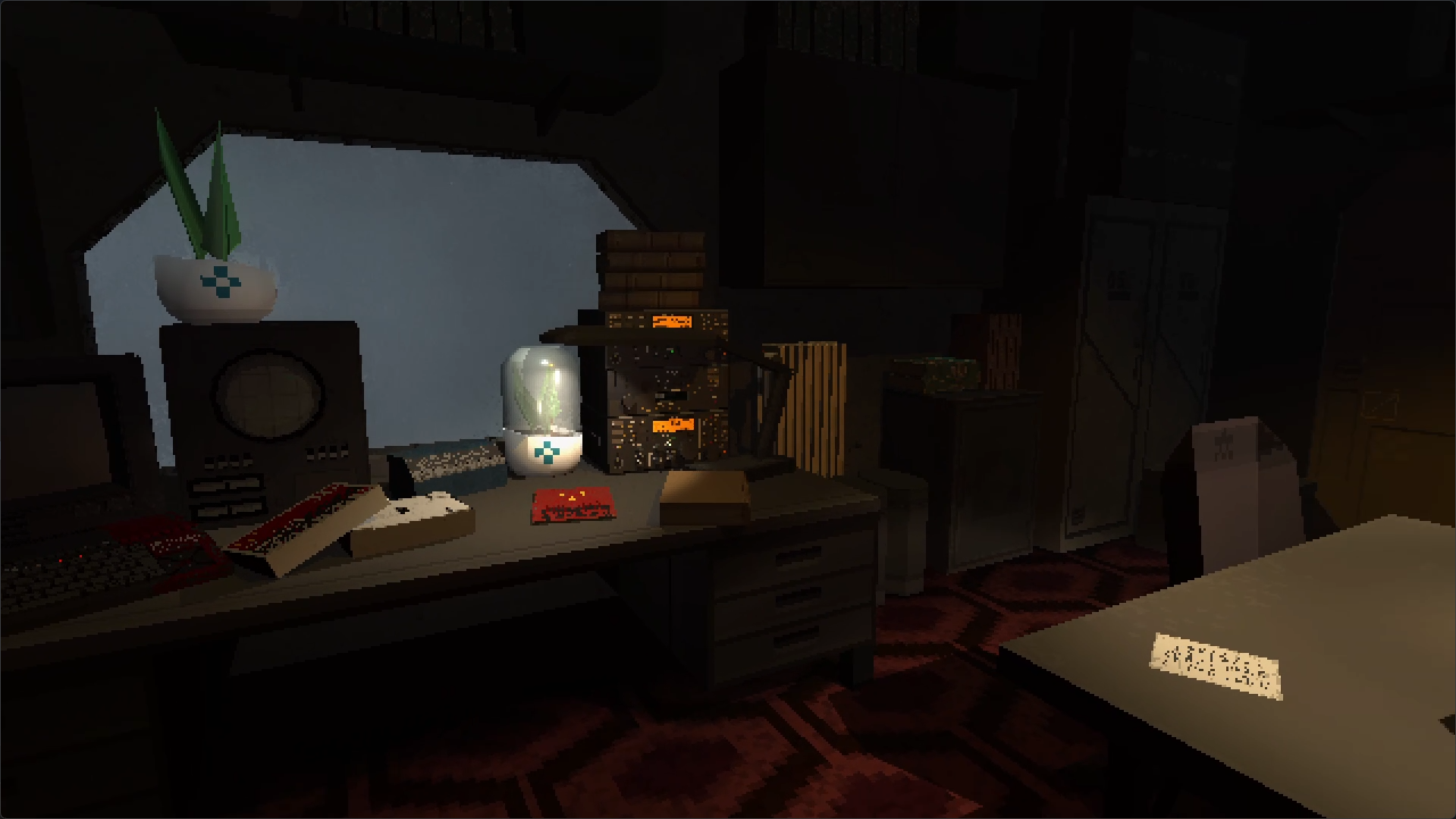
The layouts of the various stages you'll progress through in Signalis do a phenomenal job of making each segment of the game feel both closely tied to the overarching theme yet unique and enjoyable to explore. Each segment of the game is set across one or more vertical floors, wherein you will have to solve puzzles and collect new items in order to progress deeper and deeper into the facility. Despite your seemingly limited inventory, there is a saving grace (get it?) in the sparsely found storage/save rooms. Each of these rooms will contain a storage box that allows you to offload items you may not need at the moment into a universal storage that can be accessed from any other storage box, allowing you to keep precious slots in your limited inventory empty to collect necessary items whenever you manage to come across them.
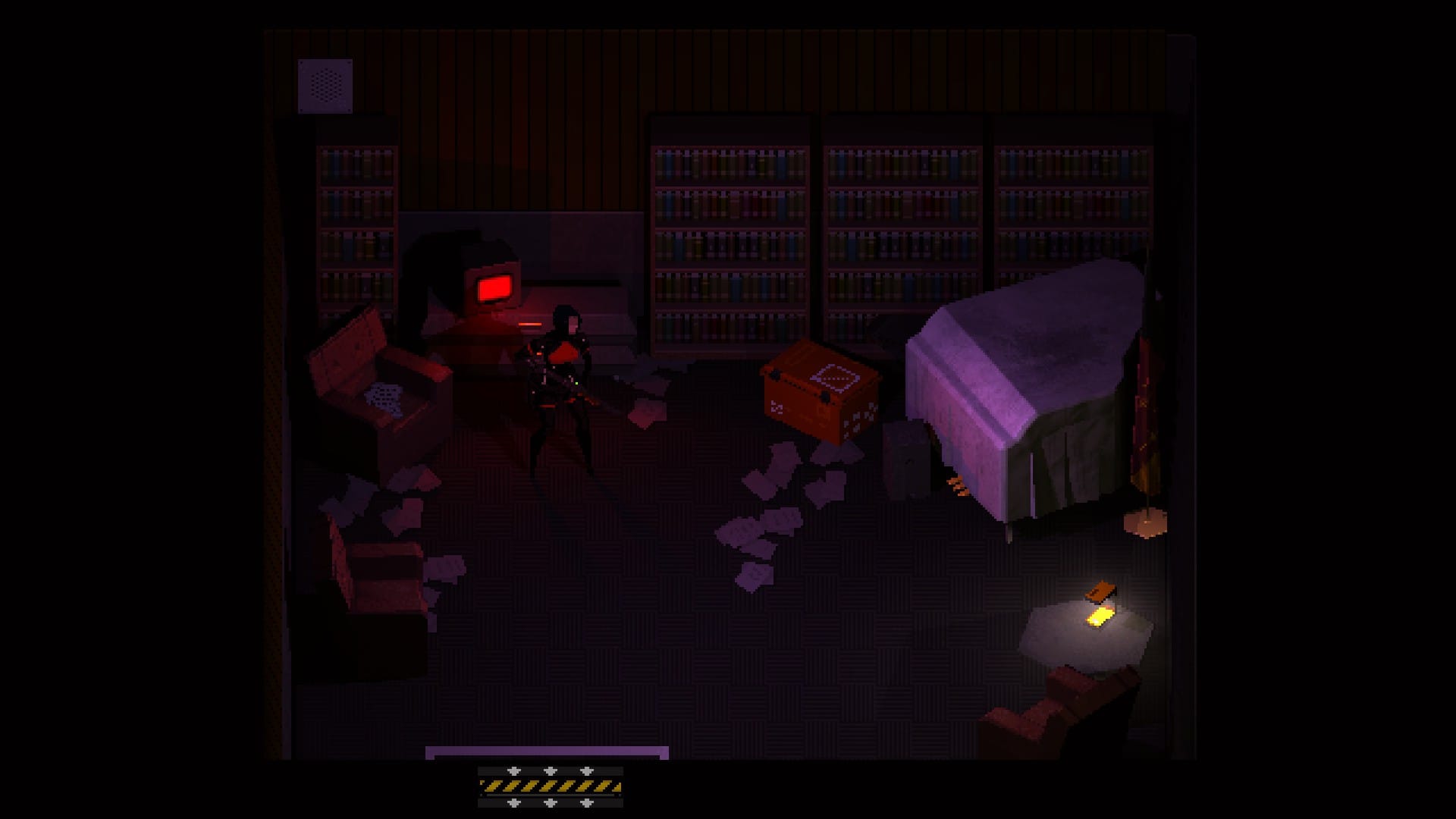
Any complaints I could possibly try to come up with about the overall design of Signalis' stages would be trivial at best and flagrantly untrue at worst. It is easily one of the most effectively done games I've had the opportunity of playing in terms of stage layout.
Design Score: 20/20
Music
Signalis, for the majority of the game, is filled with mostly ambient noise instead of music, reserving actual music for bosses, combat, or cutscenes. This does a great job at building tension throughout the game and adding more emotion to the cutscenes in between game segments. The OST includes a variety of well-crafted tracks as well as renditions of classical music with added effects to it. These tracks do a great job at working within the game's theme and don't feel repetitive throughout your playthrough.
Music Score: 9/10
Lore
Signalis is probably one of the most lore-dense games I have played in recent memory. While a fair bit of the story is obviously presented to the player through standard gameplay & cutscenes, a significant portion of the lore is left to be pieced together by the player by reading the various notes/collectables found in every segment of the game.

The story is not only incredibly detailed but open-ended to the extent that there are several interpretations of the lore. This also plays into the fact that there are four different endings that you can achieve based on certain actions taken throughout the playthrough, each with its own ramifications on the story as a whole, which only adds to the enjoyment of exploring and discovering more about the world. Additionally, there are certain puzzles that require reading specific pieces of text, encouraging the player to actually read the dozens of them that can be found throughout the game.
Lore Score: 10/10
Controls
NOTE: I played this game with gamepad controls, and the following is based on that.
The controls in Signalis are relatively straightforward and easy to understand after playing for a short while. I do have one complaint that seems to be a somewhat common sentiment among controller players: the auto-locking on enemies when you're not using free aim (which, as an alternative, just does not feel that good on controller) can be extremely finicky and can cause you to waste ammo by not locking onto the intended target. This also caused me to have to play fights differently by having to backpedal a lot while I wait for my aim to actually lock onto the target I actually wanted to shoot at. Though this issue is seemingly alleviated on keyboard/mouse controls, it definitely was a point of needless frustration for a control scheme that is directly supported.
Control Score: 7/10
Difficulty
The difficulty in Signalis was something that I was worried about prior to starting my playthrough, as I have little to no experience with survival horror games. After completing my first playthrough on the "normal" difficulty, I honestly feel like the difficulty might be a bit under-tuned. While there were certainly points in the game where dying was definitely a concern, I managed to make it through my playthrough with only 3 deaths total, all of which were to the final boss of the game. That aside, I felt like the game was satisfyingly challenging enough to keep me on my toes for the majority of the playthrough and it never really felt like I was "safe" for more than a few minutes at a time, which I appreciated.
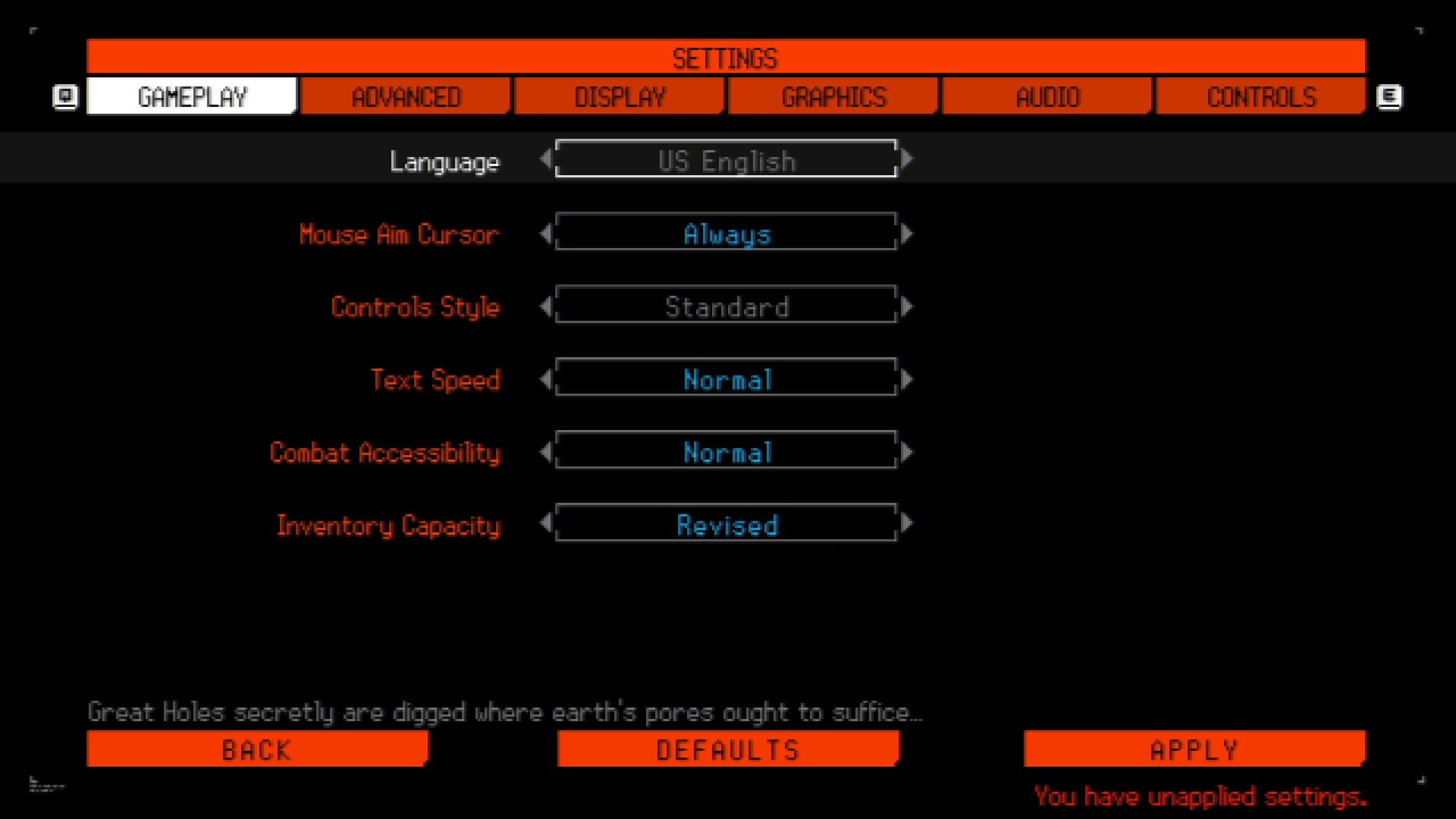
Fortunately, Signalis also offers both harder difficulties for players who are accustomed to the challenge of survival horrors as well as options to tone down the difficulty for people who are not so attuned to the genre, so there are plenty of opportunities for you to customize your own experience to experience more/less of a challenge as you see fit.
Difficulty Score: 9/10
Overall Quality
Signalis is very well polished as far as indie titles are concerned. Throughout my playthrough, I only really encountered one issue that could be considered a bug of sorts, wherein enemies sometimes seemed to phase through the corners of debris/walls in rooms, causing me to take damage in spots where I felt like I should have been safe. Other than this, there were no glaring issues with the game in terms of playability.
In addition to the overall polish of the game, the achievements are also reasonable, with all of them being earnable on a first playthrough (provided your first playthrough is on the hardest difficulty). None of them are particularly obscure, though some of them can be missed if you do not explore thoroughly before progressing past certain floors. Going for 100% completion would make for a challenging but satisfying accomplishment.
OQ Score: 18/20
Final Thoughts
Signalis is a thrillingly intense game that managed to keep me on the edge of my seat and engaged for the entirety of my playthrough. Its incredibly captivating story and gameplay that will keep you feeling tense throughout creates an unforgettable experience that I cannot recommend enough. At a price point of $19.99 USD, it is more than worth it for the 6-12 hours it will take you to play through.
Overall Score: 92/100
All images used in this article were sourced either from the Steam Store, press kits, or personal screenshots taken from the game.
Review #002