Hollow Knight: Silksong Review

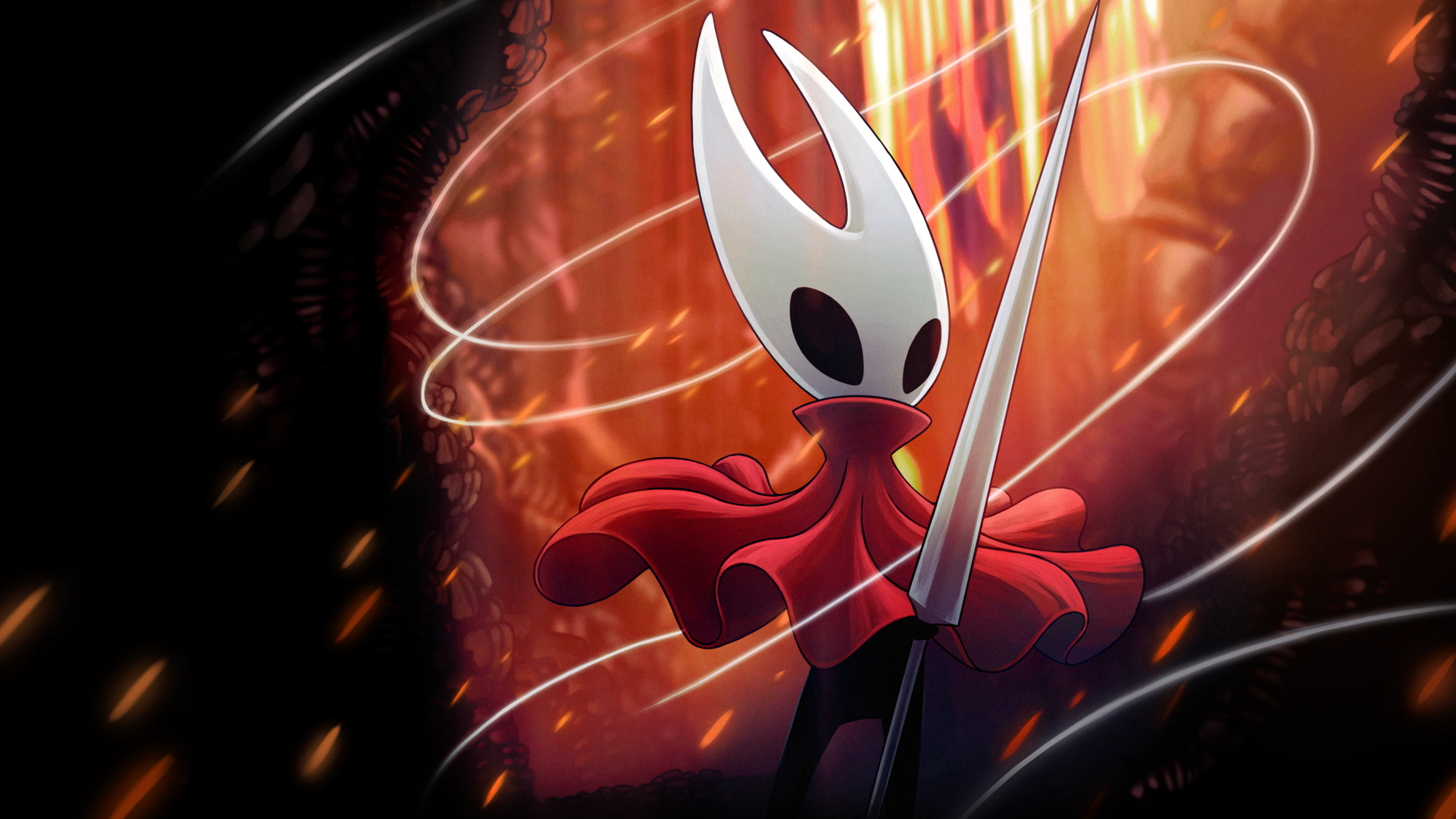
They see your beauty, so frail and fine,
they see your peace, woven of faith and toil,
forget your heart, bound in slumber and servitude, when you wake they shall see your truth,
A beast's nature bare to all. - Pharloom's Folly
Introduction
Hollow Knight: Silksong is the highly anticipated sequel to Team Cherry's critically acclaimed indie metroidvania, Hollow Knight. You control Hornet, a character introduced in the original title, as she explores the reaches of Pharloom and the Citadel atop it. As you venture upwards, you'll encounter a wide variety of interesting NPCs that will help you along your journey, and challenging bosses that will do everything in their power to slow you down.
I'll attempt to break down the aspects of the game into individual categories and assign a score out of 100 based on certain entirely subjective criteria. The criteria I'll base my score on can be found here.
Spoiler warning
While I try my best not to spoil puzzle solutions or other major parts of the story/gameplay loop, it is hard to write an in-depth review without doing so to some extent. If you have not played the game and do not wish to have aspects of the game revealed to you ahead of time, do not read this review.
Gameplay
Silksong's gameplay is only similar to that of the original Hollow Knight game in the sense that it is a true metroidvania. The world is open, and it falls on you as the player to discover the path forward as well as the tools needed to do so. What makes Silksong's progression so enjoyable is the fact that while the game does attempt to guide you through the required objectives through different map markers, there's usually at least one other way to reach the same end if you explore the world thoroughly enough.
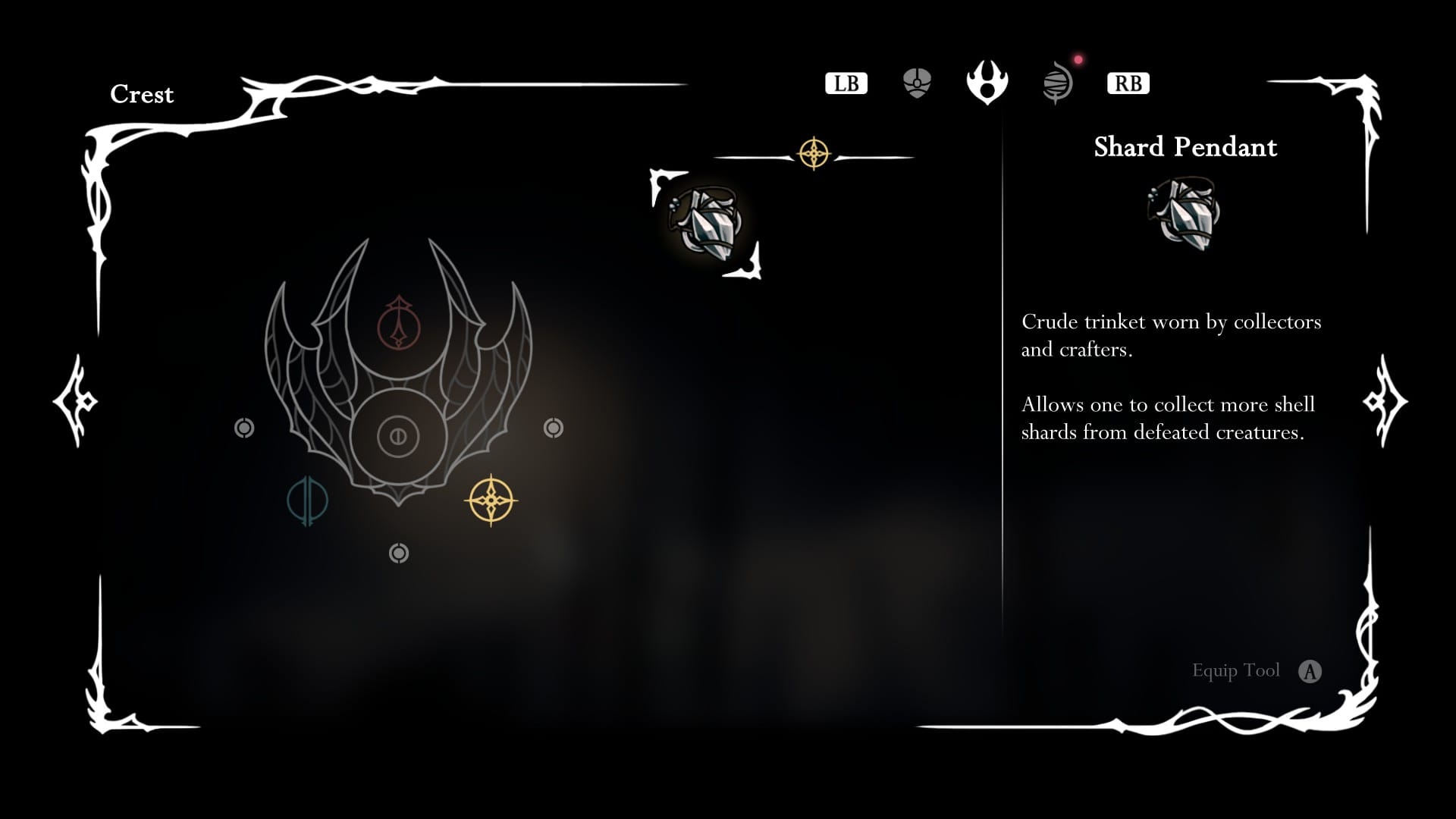
In Silksong, abilities and tools (which are Silksong's version of charms) are handled in a completely different way than in its predecessor game. In the original Hollow Knight, abilities were permanent unlocks, and charm usage was only limited by how many charm notches you had and how many notches each charm took. Silksong utilizes various "crests" to redefine how players can customize their loadouts, with each different crest changing how many of each. You start the game with the Hunter Crest, which gives 1 tool slot for each type of tool and a diagonal downwards attack. As you explore the world, you'll be able to find new crests that will not only change the quantity and types of tools you can equip, but also change the way that Hornet attacks. There are a total of 7 different crests that you can find, which allows players to really fine-tune their combat experience in a way that makes it more enjoyable for them.
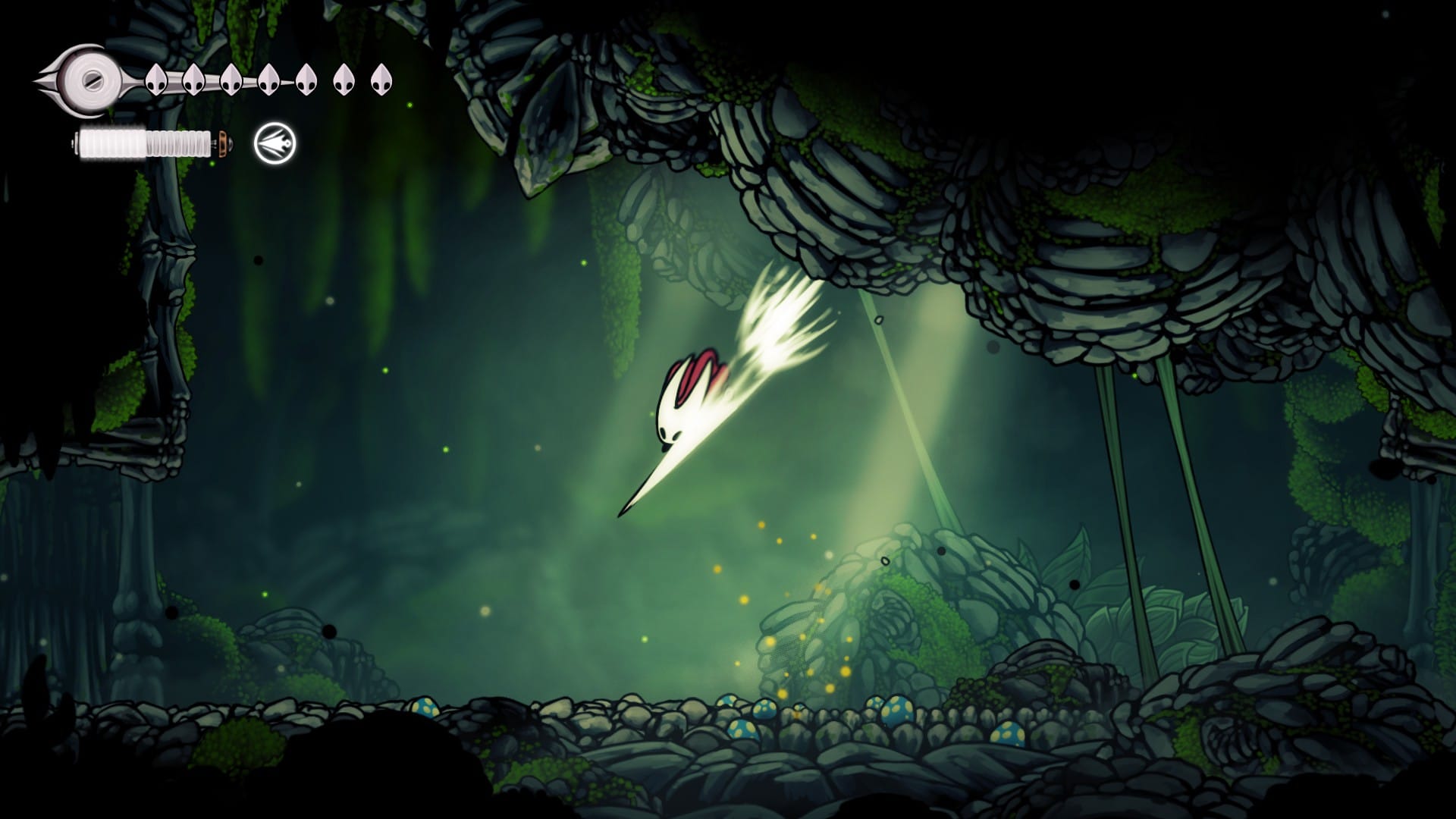
As in Hollow Knight, many facets of the world of Pharloom are locked behind purchasing things such as keys or fast travel points (called Bellways or Ventricas) with Rosaries. The issue here lies in the fact that Rosaries, unlike Geo in the original title, are not dropped by every enemy. Especially in the early game, finding a significant supply of Rosaries can feel incredibly frustrating, as even when you defeat an enemy that does drop them, it is often a very, very small amount. Because of this, certain stages in progression can feel incredibly monotonous or outright frustrating at times.
Gameplay Score: 16/20
Design
Silksong features a drawn 2D art style that manages to feel cartoon-ish, but with a high level of detail in both the background and foreground of the screen. Every one of the whopping 28 mapped areas across both the world of Pharloom and the Citadel. Each of these areas are distinct in both the staggering visuals as well as the types of enemies you'll encounter as you traverse through them. Even ignoring the fact that the number of mapped areas is already ludicrous, each of these 28 areas contain numerous secrets and items to find as you explore.
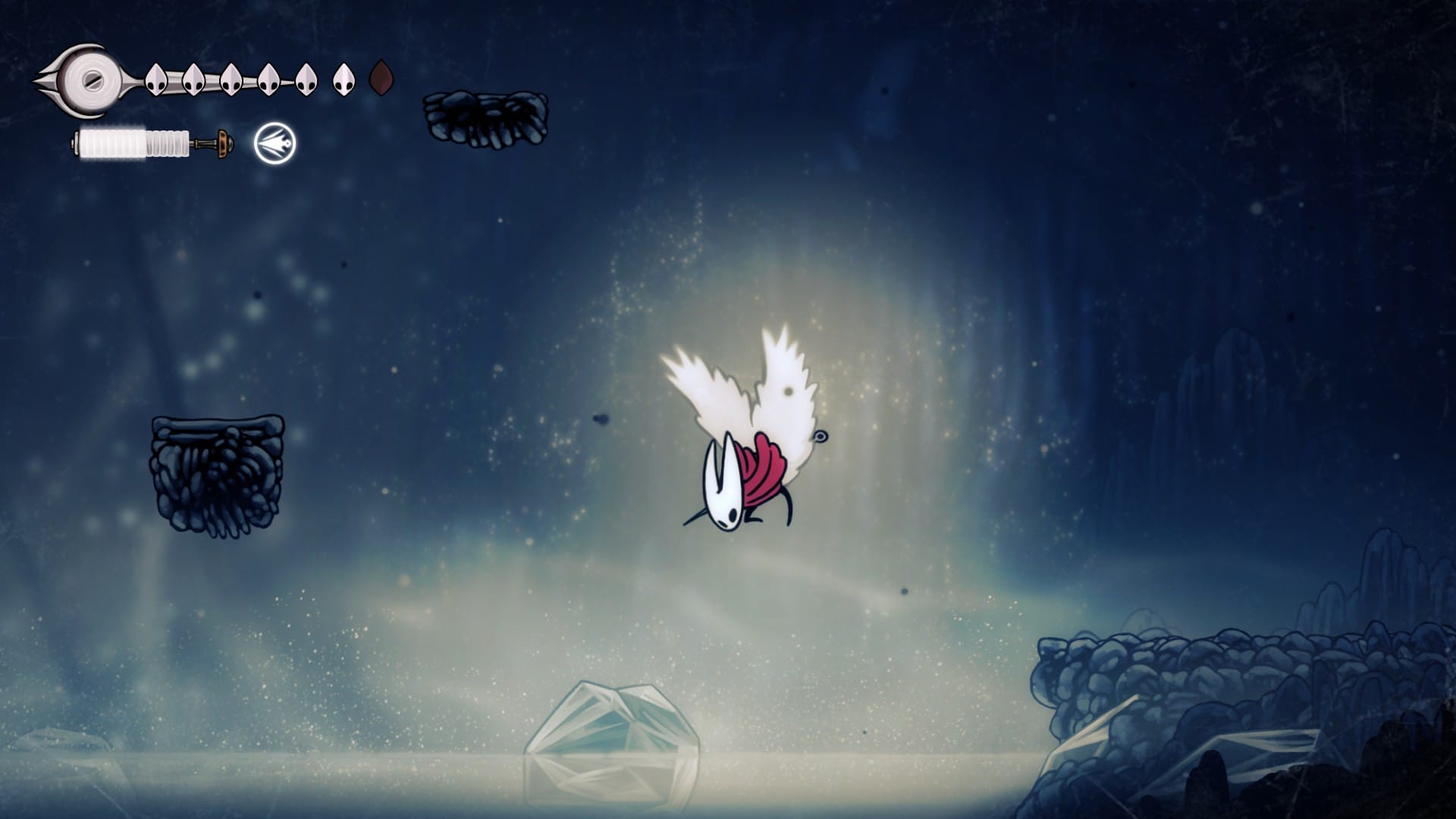
Each location feels like it fits perfectly into the world that Team Cherry has crafted, from the boiling lava in the Deep Docks to the frigid peaks of Mount Fay; everything feels incredibly natural. Because of this, even though many locations in the game are entirely optional if you only want to roll the credits, you'll feel compelled to explore and discover everything there is to offer.
Design Score: 20/20
Music
Following up on the music in Hollow Knight was a gargantuan task, and Christopher Larkin did not disappoint when it came to Silksong. From the serene music of Moss Grotto, to the resounding choruses of the Citadel, to the epic bellowing tracks for the various bosses, the music in Silksong is nothing short of a masterpiece. I cannot emphasize enough how well the music complements every single aspect of the game, and truly makes it feel like you're experiencing the pilgrimage to the Citadel yourself.
Music Score: 10/10
Lore
Silksong manages to tread the line between being significantly lore-dense while avoiding the story being too convoluted for the average player to follow. The overarching notes of the story are pretty apparent to those who simply blitz through the game to the credits, but nuance is found in almost every nook and cranny of the world for those who seek to understand what drives the world of Pharloom to exist as it does.
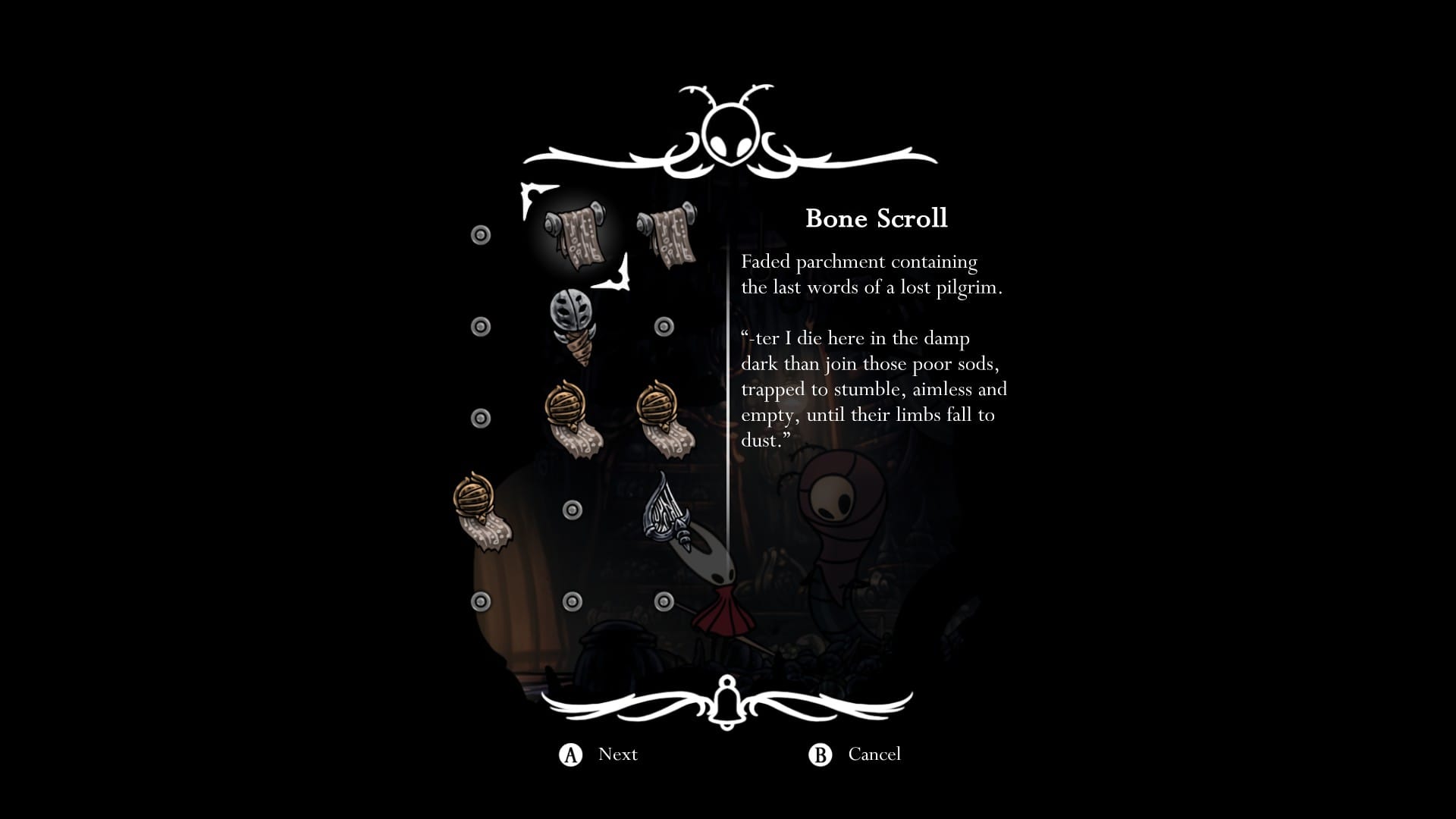
The story of Silksong does not require knowledge of Hollow Knight's story at all to be cohesive, though having knowledge of the existing lore of the Hollow Knight universe does help add to the experience.
Lore Score: 10/10
Controls
NOTE: I played this game with gamepad controls, and the following is based on that.
The controls in Silksong have been hotly debated amongst players, with everyone seeming to have their own unique opinion to add to their respective echo chambers. Most of the gripes held by players about the controls are people who played the first game and were upset by the fact that you could not "pogo" downward with the initial combat scheme the game gives you. I believe that this change, while obviously upsetting to diehard Hollow Knight fans, was a good thing in that it further diversifies the gameplay loops of both games. The controls of Silksong, once mastered, allow for a fluidity in combat encounters that was simply not possible in Hollow Knight. I found that by the time I had reached the later acts of the game, I was able to incorporate all the nuances of the new combat system without having to think about it, which made exploring and fighting all that much more fun as Hornet.
Control Score: 10/10
Difficulty
Another widely debated topic surrounding Silksong is the game's difficulty. A majority of the discourse here revolves around bosses, as well as various normal enemies, doing 2 masks of damage instead of one. While this issue was slightly alleviated with a balance patch shortly after the game's release, it definitely feels a bit more frustrating than it probably should in the early game, specifically. Early game aside, the difficulty for everything you encounter after about halfway through the first act feels like it keeps pace with expectations accordingly. While some bosses are definitely a challenge, that's part of the charm of the game. In the majority of instances, if you feel stuck on a boss that you cannot defeat with brute force retries, there is almost always something else you can venture off to do to get strong enough to face the boss, or to find another method of getting past them.
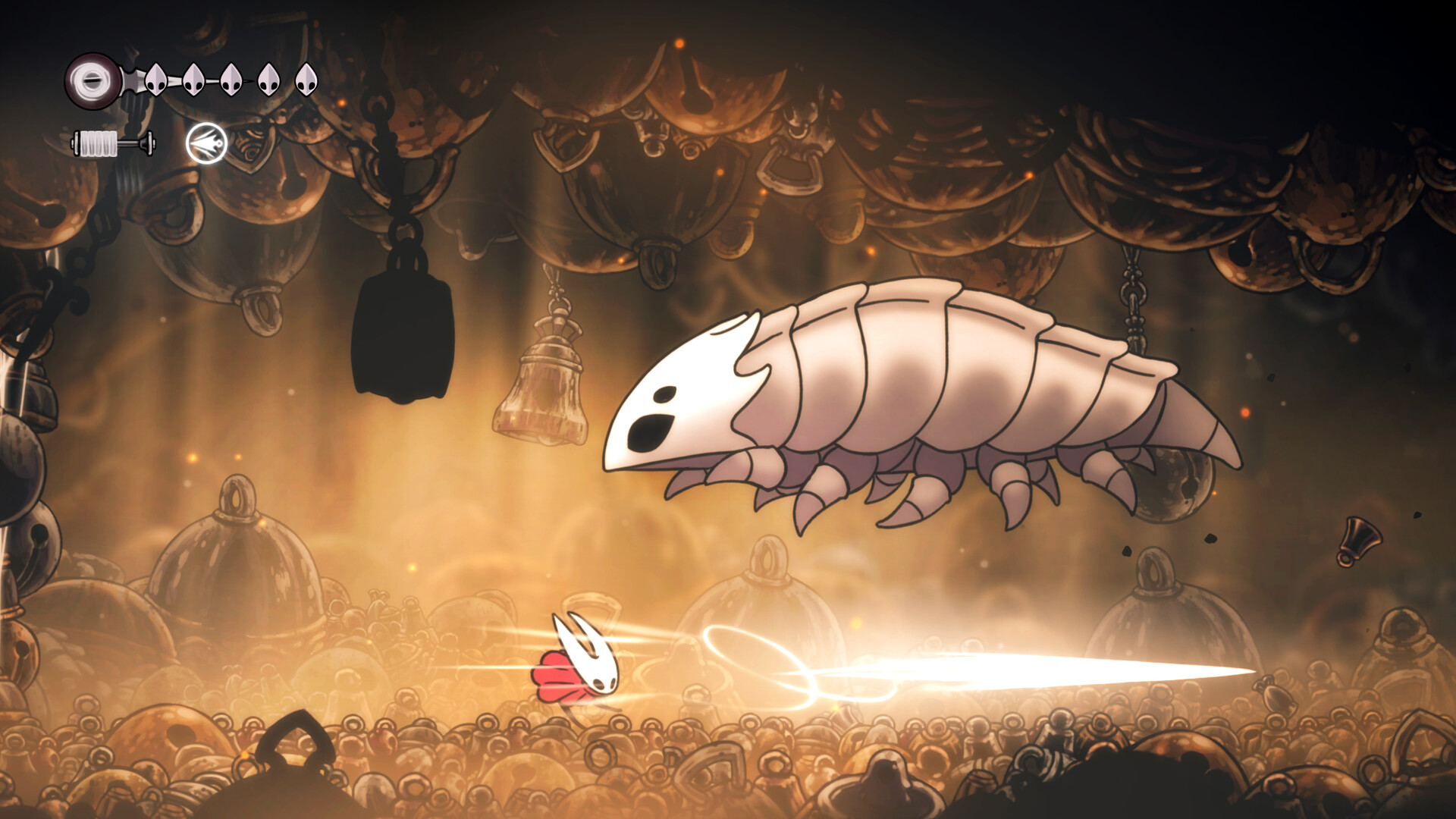
The only other issue that I feel would fall under "difficulty" would be that there are quite a few bosses that are so far from a bench or a hard-save point that dying and having to run back to break your cocoon and retrieve your Rosaries can be quite a chore. This issue is alleviated later in the game with Silkeaters, which, when found and consumed, will automatically retrieve your cocoon from anywhere on the map.
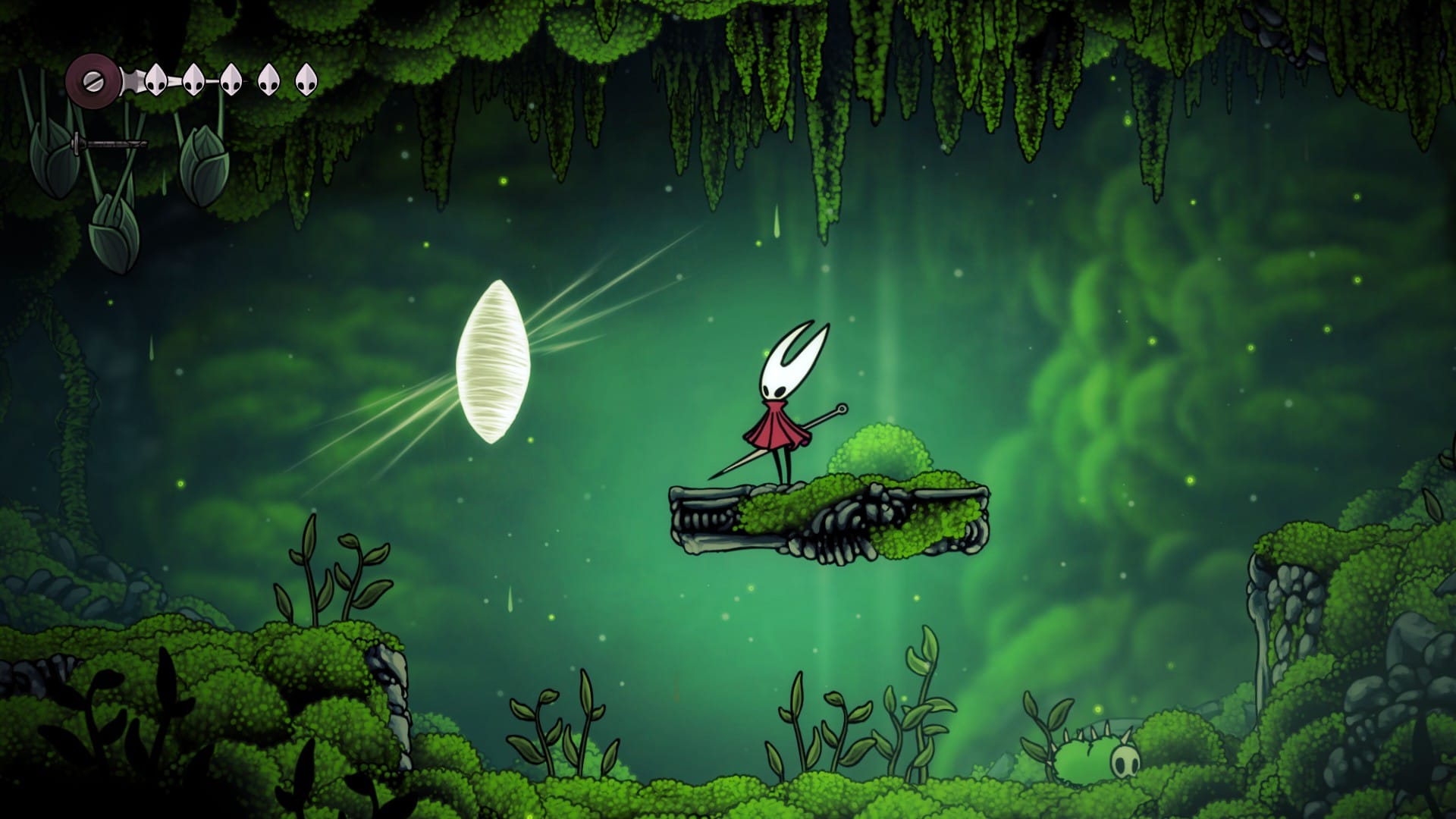
While Silksong is significantly more difficult to master (in my opinion) than Hollow Knight, I feel like this is the way that the game is meant to be. Hollow Knight, as well as Silksong, feel like they are meant to be games where bosses are not meant to be beaten on the first or second attempt. As such, I feel as if most of the difficulty complaints are coming from people new to the series who expect it to be much tamer in terms of the effort needed to learn attack patterns to master boss fights, and therefore are not representative of any actual major problems in the game's difficulty.
Difficulty Score: 8/10
Overall Quality
Given that Silksong has been in development for well over half a decade, it would be shocking if the game weren't incredibly polished. If you ignore the fact that all of the characters and enemies in the game are, in fact, actual bugs, Silksong feels incredibly well-polished, with any actual bugs being from extremely niche/edge-case situations.
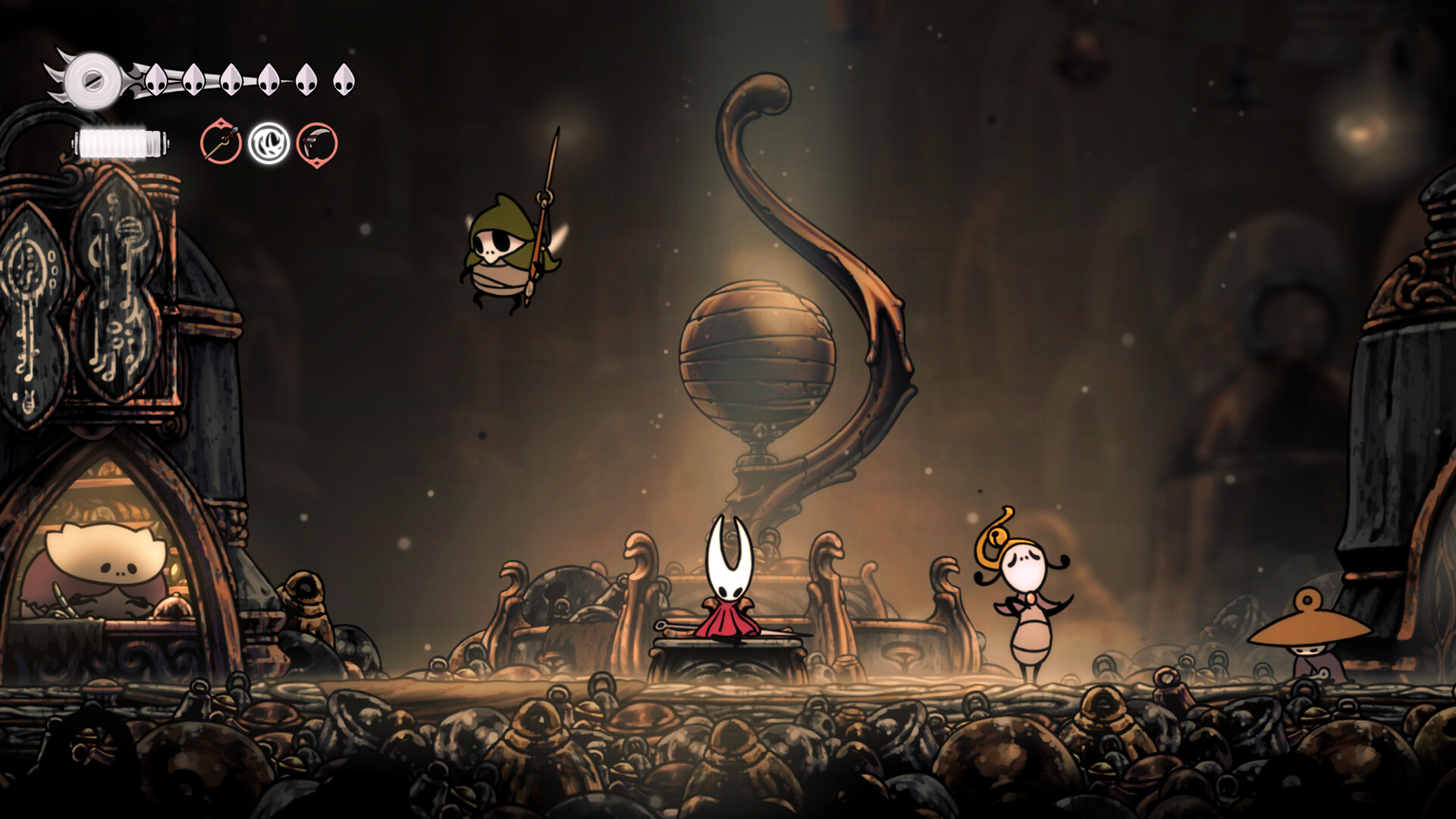
Silksong's achievements also provide a fun challenge for those who have completed their first full playthrough. Like in Hollow Knight, there are Steel Soul & Speedrunning achievements that effectively require a 2nd/3rd/etc. playthrough, which encourages re-exploration and the mastering of Hornet's extensive moveset in order to achieve them, offering a satisfying challenge for those who want more from the game.
OQ Score: 20/20
Final Thoughts
Hollow Knight: Silksong was one of the most anticipated games of all time, and it truly managed to live up to the expectations held for it. From beautiful worlds, a stunning musical score, and intensely difficult boss fights, Silksong will keep you on the edge of your seat in anticipation as you explore through 30-60 hours of content. At a price point that greatly undersells the quality of the game at $19.99 USD, you are missing out on an incredible experience by not giving Silksong a try.
Overall Score: 94/100
All images used in this article were sourced either from the Steam Store, press kits, or personal screenshots taken from the game.
Review #003